
Journaling and Meditation: The Work Beneath the Surface
An invitation to slow down, listen inward, and stay with what arises.

Editor’s note: This piece begins simply and gently. As you read on, the work deepens… not to push you, but to meet you where you are. Take what resonates, pause when you need to, and trust yourself with the rest. Bear with me, we are starting with the “why” and then getting into it.
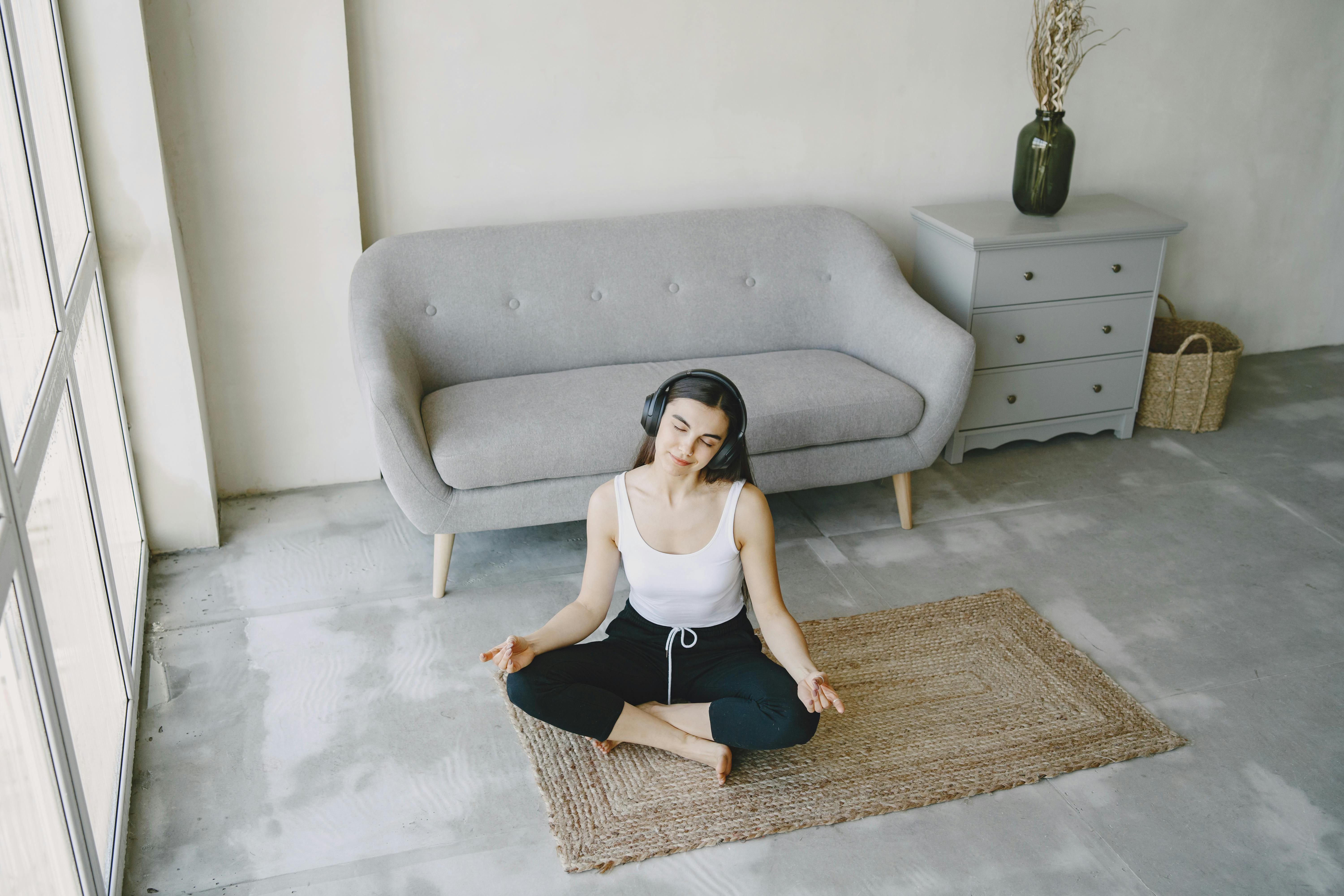
Journaling and meditation are two of the most commonly recommended tools in therapy, and also two of the most misunderstood. They’re often offered casually, almost offhandedly: Try journaling about it. Have you thought about meditation? As if these practices are simple switches you flip on when life feels overwhelming. It also is very annoying when you feel like you’ve tried these things, and coaches or therapists keep telling you to do it, without exploring other variations. (Because believe me, there are tons).
In reality, journaling and meditation are not quick fixes. They are slow practices. Relational practices. Practices that invite you into a different relationship with your inner world. One that is less reactive, less fearful, and more honest.
I often tell clients that journaling and meditation don’t change your life because you do them perfectly. They change your life because you do them consistently, imperfectly, and with a willingness to stay.
This piece is meant to meet you wherever you are. Whether you’ve never journaled a day in your life or you’ve filled notebooks for years. Whether meditation feels grounding or nearly impossible. We’ll start with the foundations, why these practices matter, how they work, and how to approach them gently. Then, for those who feel ready, we’ll go deeper into the kind of work that reveals patterns, core beliefs, and the emotional roots that surface-level prompts rarely reach.
Why Therapists Recommend Journaling and Meditation So Often
Therapists recommend journaling and meditation because they slow things down enough for insight to happen. I tell my clients all the time, your brain is not meant to be a notecard, we have to get some stuff out. When thoughts stay in your head, they tend to loop, exaggerate, and collapse into one another. Journaling gives those thoughts shape. It moves them out of the nervous system’s alarm center and into a place where they can be seen, named, and understood.
Meditation does something complementary. Instead of organizing thoughts, it teaches you how to stay with internal experience without immediately acting on it. It creates a pause between sensation and response. Over time, that pause becomes choice.
Together, journaling and meditation help answer two different questions:
What is happening inside me? (journaling)
Can I stay present with what is happening without needing to fix it? (meditation)
That combination is powerful.
How Journaling and Meditation Affect the Brain and Nervous System
From a neurological standpoint, journaling engages the prefrontal cortex; the part of the brain responsible for reflection, meaning-making, and perspective. Writing slows emotional material down enough for integration to occur. This is why journaling can feel relieving one day and uncomfortable the next; it’s doing real work.
Meditation, meanwhile, supports nervous system regulation. Regular practice has been shown to reduce stress reactivity and increase tolerance for emotional discomfort. It teaches your system that feelings can rise and fall without requiring immediate action. Picture a buddhist monk real quick, how chill and relaxed are they as you picture them? That’s because they are literal masters at meditation and being present.
In simple terms: journaling helps you understand what you feel. Meditation helps you stay with what you feel.
Neither practice is about eliminating emotion. Both are about changing your relationship to it.
What Real Change Looks Like Over Time
One of the biggest misconceptions about journaling and meditation is that they’re supposed to make you feel calm, clear, and regulated all the time. That expectation alone causes many people to quit.
The real change is subtler.
Over time, people often notice that they react a little less quickly. That they can name what they’re feeling sooner. That patterns become easier to spot. That moments of discomfort feel less threatening.
The goal isn’t to feel better constantly. The goal is to feel less afraid of your internal world.
How to Start Journaling Without Overthinking It
You do not need a beautiful notebook. You do not need the right mood. You do not need to write anything insightful.
You need permission to be honest.
At its most basic level, journaling is simply the act of externalizing internal experience. Five to ten minutes is enough. Writing badly is allowed. Stopping before you feel depleted is encouraged.
If you’re new to journaling, start by answering questions like:
What feels most present for me right now?
What emotion has been following me today?
What am I avoiding thinking about?
What did I do today? Even just recounting your day and who you encountered is a great place to start.
These questions aren’t meant to push you somewhere. They’re meant to help you notice where you already are.
Meditation: What It Is (and What It Isn’t)
Meditation is not about clearing your mind. It is not about forcing calm. It is not about doing it “right.”
Meditation is about noticing.
Noticing your breath. Noticing your thoughts. Noticing sensations in your body. And gently returning (again and again) without judgment.
If your mind wanders, you’re meditating. If you feel restless, you’re meditating. If you notice impatience, boredom, or resistance, you’re meditating.
The practice isn’t staying focused. The practice is returning.
A Simple Meditation Practice to Begin With
Sit comfortably. Bring your attention to your breath. Notice where it’s easiest to feel… your chest, your nose, your belly. When your mind wanders, gently bring it back.
That’s it.
You’re not trying to relax. You’re practicing presence.
I’ve also created a Spotify and Apple Music playlist to get started. My go to tends to be Solfeggio Healing Frequencies MT.
Using Journaling and Meditation Together
Many people find these practices work best when paired. Meditation helps surface awareness. Journaling helps organize and reflect on what arises.
You might meditate for a few minutes and then journal about what you noticed. Or journal first to clear mental clutter and then meditate to settle your system.
There’s no correct order. Only what feels in alignment for you.
When the Basics Start to Feel Insufficient
At some point, many people notice that they’re journaling about the same themes again and again. The same relationships. The same triggers. The same emotional reactions.
This isn’t failure. It’s information.
Surface-level journaling helps you notice what’s happening. Deeper journaling helps you understand why it keeps happening.
That’s where the work shifts.
Going Beneath the Surface: When the Basics Stop Working
This is the point where many people notice that simple journaling and meditation no longer feel sufficient. Not because they’ve failed, but because they’ve outgrown the surface.
What you’ve practiced so far builds awareness and regulation. What comes next builds understanding. The work below is slower, more intentional, and designed to help you recognize patterns rather than relive them.
The remainder of this essay, including the guided practices and deeper prompts, is available to paid subscribers. If you’re ready to continue, you’re invited to join us below.
Going Beneath the Surface
This is the point where journaling stops being about daily processing and starts becoming a tool for pattern recognition. The questions change. The pacing slows.
Instead of asking What am I feeling?, we begin asking:
What keeps repeating in my emotional life?
What reactions feel automatic rather than chosen?
What do I do to protect myself from discomfort?
These questions aren’t meant to be answered quickly. They’re meant to be lived with.
Deeper Journaling Prompts for Core Pattern Work
Use these prompts slowly. One at a time. Over days or weeks.
What emotions feel unsafe or unacceptable to express?
When do I feel most compelled to explain or justify myself?
What patterns show up across different relationships?
What did I learn early on about needing others?
What part of me works hardest to keep things together?
If resistance shows up, notice it. Resistance is often protective. Even journaling about the resistance you notice is helpful.
Guided Meditation for Deeper Awareness
This meditation builds on basic breath awareness and adds emotional tracking.
Begin by grounding in your breath. (This just means pay attention to it and slow down speed racer). Slowly scan your body, noticing sensations without changing them. When an emotion arises, name it gently (without analysis) and stay with it for a few breaths before returning to the body.
This practice helps build tolerance for emotional presence without overwhelm.
Integration: Making Space for What You Discover
Insight without integration can feel destabilizing. After deeper journaling or meditation, ask yourself:
What stood out without needing interpretation?
What feels tender but manageable?
What deserves compassion rather than action?
Do I need anything else right now?
You do not need to resolve everything you uncover.
Understanding is often enough to begin.
Why This Work Is Slow, and Why That Matters
Depth-oriented journaling and meditation are not productivity tools. They are relational practices. They teach you how to stay with yourself, especially when it would be easier to disconnect.
This is not about fixing yourself. It’s about understanding yourself well enough that change becomes possible.
And that kind of change takes time.
A Closing Note
If you’re drawn to this work, it’s likely because some part of you is ready to be met with more honesty and care. You don’t have to rush. You don’t have to do it all at once.
You just have to keep showing up.
REMEMBER: Keep at it. Stay consistent every day. I’ll come back with you next month to continue this work.
Before you go, I’d love to hear from you. Did this feel helpful? What kinds of journaling practices or prompts are you most curious to explore next?